A Novice's Guide to Recognizing Aluminum Foundry Tooling and Mold Development
Aluminum foundry tooling and mold production is a specific area within production. Recognizing the fundamentals is essential for newbies. Various mold types, such as sand and investment mold and mildews, deal with different manufacturing demands. Key tools and procedures play a considerable role in accomplishing successful outcomes. As one navigates this complex field, the interplay in between design and implementation becomes noticeable. What essential methods and understandings might transform an amateur right into a competent light weight aluminum foundry professional?
Comprehending the Basics of Aluminum Casting
Numerous metals can be cast, aluminum stands out due to its one-of-a-kind residential properties and adaptability. This lightweight steel functions outstanding corrosion resistance, thermal conductivity, and pliability, making it a popular selection throughout different sectors. The spreading process entails melting aluminum and putting it right into a mold to achieve wanted forms and measurements. This method permits specific tolerances and intricate layouts, which are vital in applications varying from vehicle components to aerospace components.
Kinds Of Molds Made Use Of in Aluminum Foundry
When selecting mold and mildews for light weight aluminum foundry applications, numerous types are offered, each developed to meet specific manufacturing needs and casting methods. The most typical kinds consist of sand molds, which are flexible and ideal for complex shapes, and permanent mold and mildews, made from steel for high-volume production with better surface coatings. An additional kind is financial investment molds, recognized for their precision and great detail, perfect for complex layouts. Furthermore, there are shell molds, which integrate the advantages of sand and long-term mold and mildews, supplying longevity and excellent dimensional precision. Pass away casting molds are used for high-speed production, providing constant top quality and lowered cycle times. Each mold kind has unique qualities that influence the high quality of the final light weight aluminum product, production effectiveness, and overall prices. Comprehending these types enables foundry specialists to pick one of the most proper mold for their specific applications and desired end results.
Essential Tools for Mold Creation
A variety of vital devices are required for mold and mildew development in light weight aluminum foundry processes, each adding to the performance and precision of the spreading process. Secret devices include pattern-making tools, which form the mold and mildew according to design specifications. These can be made from materials like plastic, wood, or steel. In addition, mold and mildew frameworks are necessary for keeping mold security throughout spreading.
Other necessary tools encompass core boxes, which assist develop inner cavities within the molded parts, and gating systems that assist in the flow of molten light weight aluminum. For finishing touches, surface completing devices, such as mills and sanders, assure the mold and mildew surfaces are smooth and precise.
Securing devices are additionally vital, safeguarding molds throughout the pouring process. Ultimately, gauging tools, like calipers and determines, give precision this hyperlink in mold dimensions. Together, these devices form the foundation of efficient mold creation in aluminum shops.
The Refine of Making Aluminum Molds
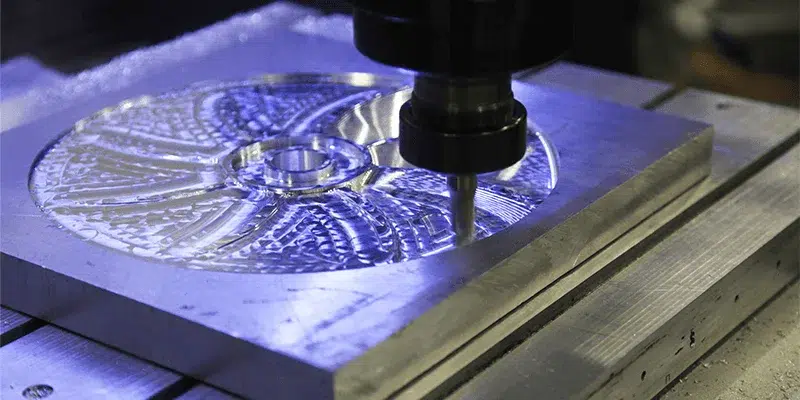
Creating light weight aluminum molds involves an organized strategy that ensures precision and top quality in the last product. The process begins with creating the mold and mildew, utilizing computer-aided style (CAD) software program to develop a thorough plan. This style is after that converted into a physical kind via machining, where skilled operators utilize milling devices and turrets to sculpt the mold and mildew from strong light weight aluminum blocks.
When the mold and mildew is shaped, it undergoes surface treatment to protect a smooth coating, which aids in the ejection of the casted parts. Hereafter, setting up of the mold and mildew parts occurs, guaranteeing appropriate alignment and fit. Next, the mold is checked for capability, usually entailing trial casts to identify any kind of possible concerns. Modifications might be made based on testing outcomes. With careful focus at each phase, the completed light weight aluminum mold is planned for use in various spreading applications, assuring regular and top quality results.
Tips for Successful Aluminum Foundry Projects
Effective light weight aluminum foundry jobs rely upon careful planning and execution throughout the whole procedure. To assure excellent results, it is necessary to define clear objectives before beginning any kind of job. This consists of recognizing the specifications and needs of the end product. Appropriate material selection plays a significant role; using premium light weight aluminum alloys can enhance sturdiness and performance.
In addition, precise mold style and fabrication are important. Precise dimensions and focus to information will certainly reduce and lessen defects waste. Including sophisticated innovations, such as computer-aided style (CAD), can significantly enhance the design process.
It is also essential to keep effective communication among employee to make sure everyone is on the very same web page. Routine assessments throughout production can assist identify prospective problems early, permitting for timely modifications. Careful post-casting therapies, like machining and finishing, can boost the high quality of the last item, leading to a successful aluminum foundry project.
Frequently Asked Concerns
What Safety Preventative Measures Should I Take When Working With Aluminum?
When working with aluminum, individuals should wear protective glasses, handwear covers, and breathing masks. Additionally, making sure appropriate air flow, maintaining a tidy work space, and making use of devices securely are essential safety measures to avoid crashes and carcinogen.
The length of time Does It Require To Create an Aluminum Mold?
Producing an aluminum mold and mildew usually takes anywhere from a few days to numerous weeks. Aluminum Casting Company. Elements influencing this timeline include check style intricacy, material schedule, and the details strategies utilized in the mold-making process
Can I Reuse Aluminum Molds for Numerous Spreadings?
Yes, aluminum mold and mildews can be recycled for numerous spreadings. Their sturdiness allows for repeated use, although the lifespan may vary based on elements like style complexity and casting conditions, which can influence mold and mildew honesty gradually.
What Is the Price Variety for Aluminum Foundry Tooling?
The price array for light weight aluminum foundry tooling differs considerably, normally dropping between $1,000 and $10,000 (Precision aluminum casting). Variables affecting the price consist of style complexity, mold dimension, and production volume, influencing overall investment needs for producers
Where Can I Locate Distributors for Aluminum Foundry Products?
Various mold and mildew types, such as sand and financial investment mold and mildews, cater to various production demands (Aluminum Foundry). When picking mold and mildews for aluminum foundry applications, numerous types are readily available, each her explanation developed to meet specific production requirements and casting techniques. The most usual types include sand molds, which are ideal and functional for complicated shapes, and irreversible mold and mildews, made from steel for high-volume production with better surface area finishes. Furthermore, there are shell mold and mildews, which integrate the advantages of sand and irreversible molds, providing toughness and excellent dimensional precision. A range of crucial devices are needed for mold creation in light weight aluminum foundry processes, each contributing to the performance and accuracy of the spreading procedure